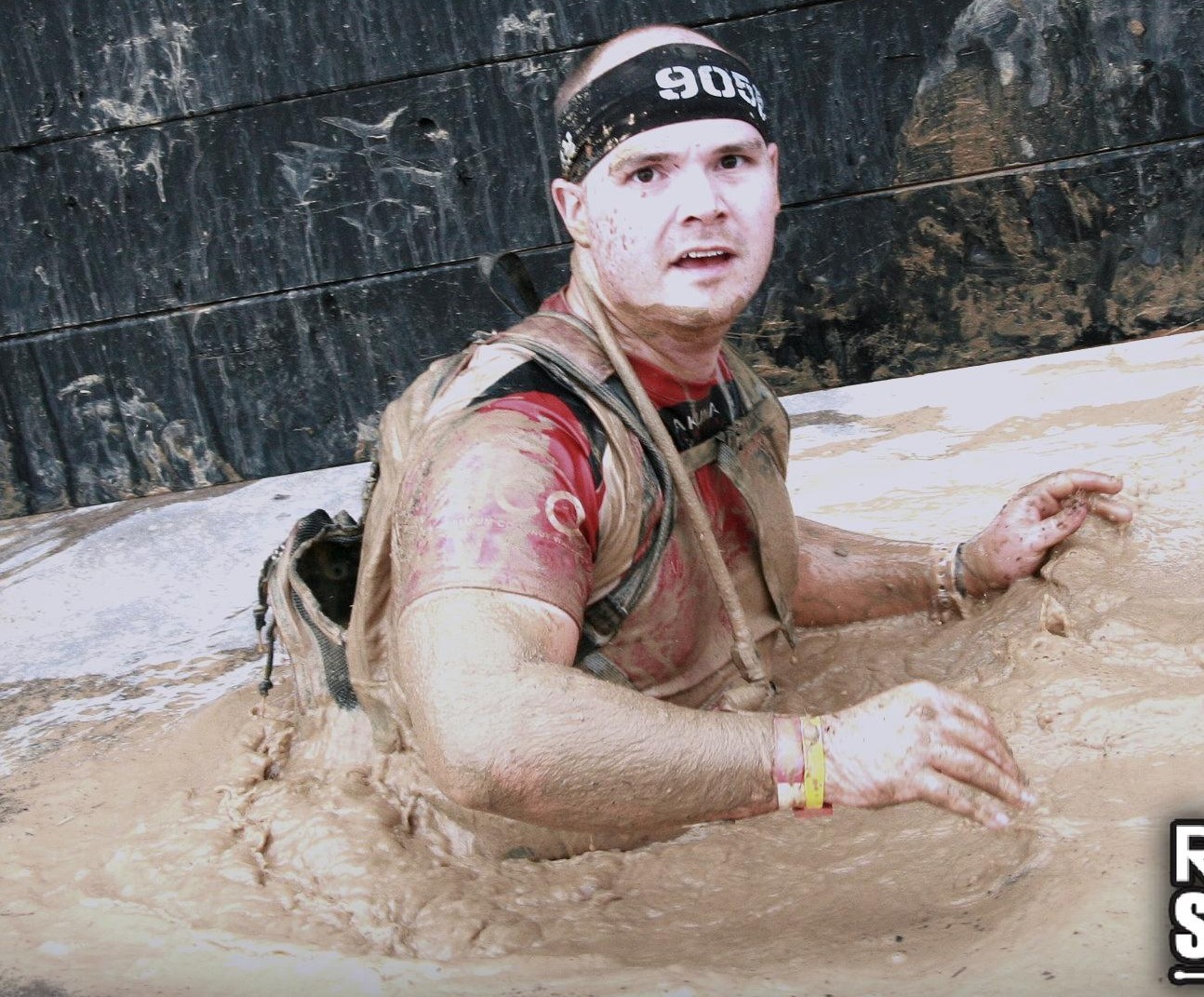
It was pointed out to me that everything I do with my personal time, viewed from the outside, doesn’t look like very much fun. In fact, it looks like it hurts. And looking at some of the photos, I can’t help but agree.
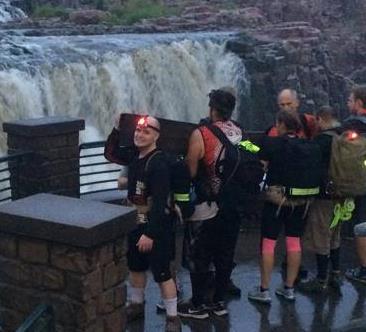
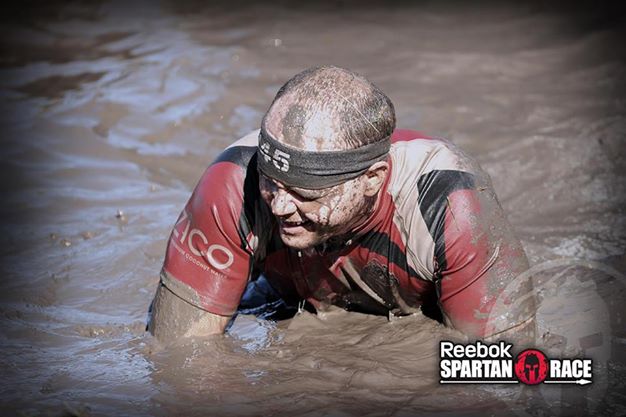
I often get the question of why. Why do you want to go do uncomfortable things? Why do you need the ability to clear an 8′ wall, to low-crawl under barbed wire? You have a car, what point is there in running 20 miles?
I often have difficulty answering these questions. I usually avoid answering by saying that if you have to ask, you are unlikely to understand the answer. But it is a legitimate question, and deserves at least an attempt at an answer.
I had my first trip to Japan earlier this year to train with the top Shihan. At the end of one of Nagato Sensei’s classes, he asked if there were any questions. Some smartass in the crowd yells out, “What does it all mean?”
Nagato has the question clarified in several languages, then gives the response, “The purpose of training is to be a good person. An exemplary person.”

I do feel that in many ways the training and challenges I do have made me a better person. The Japanese would call the process “polishing the spirit.”
I have also developed a deep love for those around me, whereas a few years ago I was unable to feel anything but disdain. And I can step up to challenges that I previously would have thought were impossible.
I also love seeing what the human spirit is capable of, both what I can do through sheer force of will and what I see done by others. Even those who have a better excuse than most to think that it is impossible.
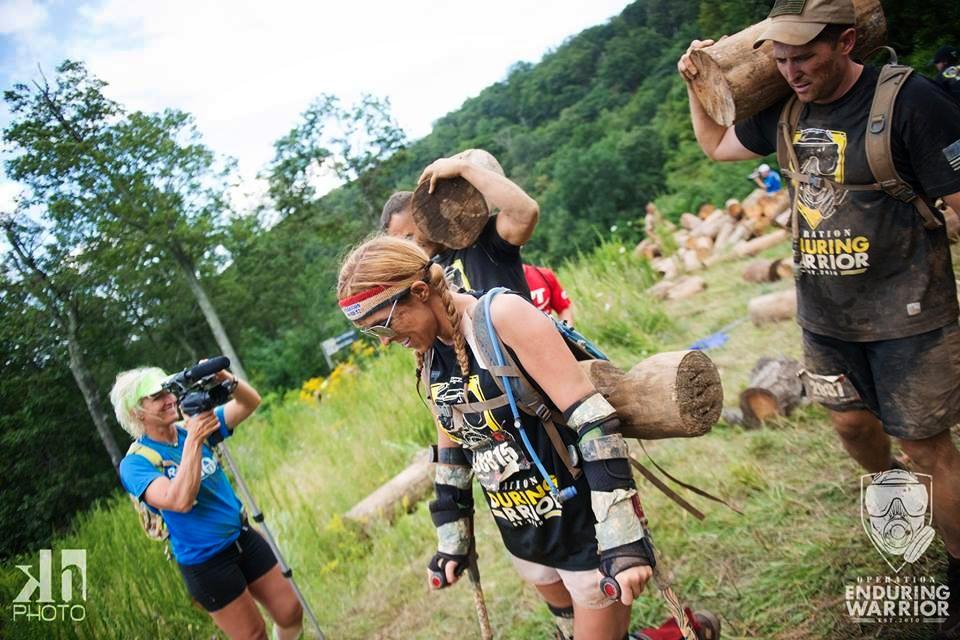
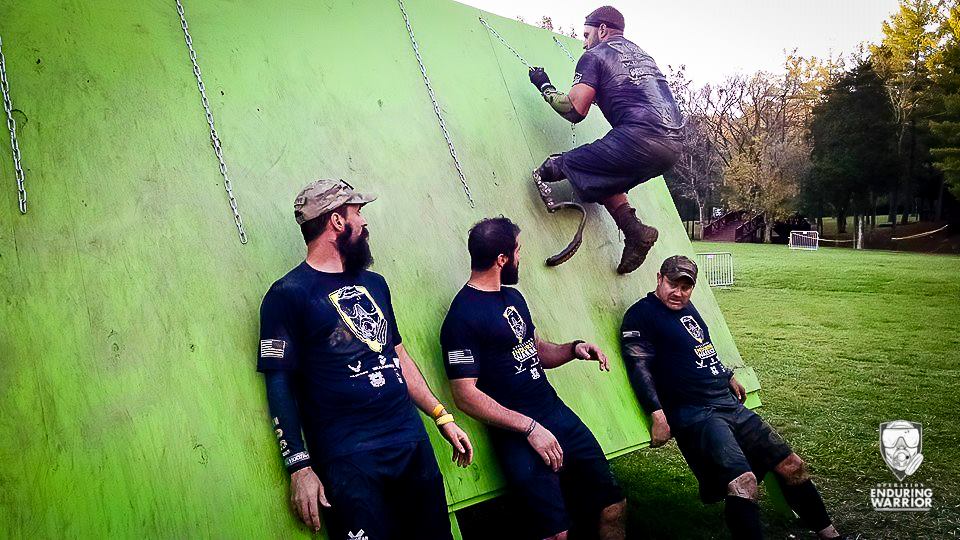
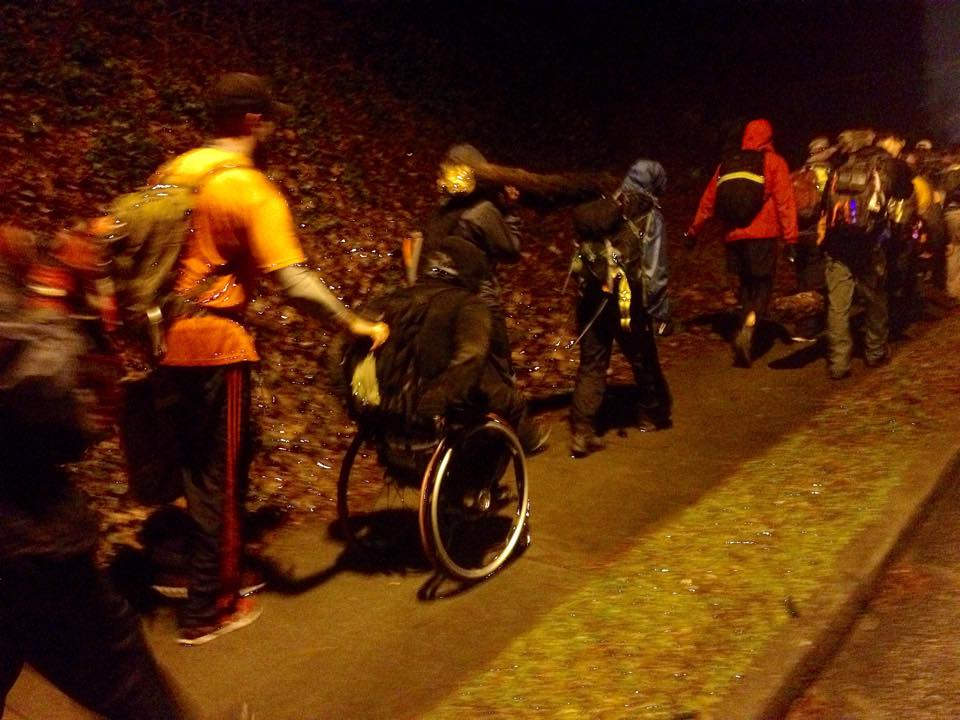
I want to know what I’m made of, what I can do, and what I can do under adverse circumstances. This is where people have the most trouble understanding me. Why does it have to be cold, wet and nasty? Why can’t all the obstacles be made of bubble wrap so that no one ever gets a bruise? Oh, that obstacle is severely uncomfortable and that makes it physiologically unsafe, they should eliminate that one.
These things build toughness and they train courage. They teach you to keep going through the pain and do what needs done. If you can’t perform when you are cold, wet, in pain, then I would argue that you can’t perform. When things go to crap and you NEED your toughness and courage, trust me, you will be rather uncomfortable and likely in a certain degree of pain. If you have trained to embrace the suck and keep going, you will be fine. Otherwise, you may well be in trouble.
In particular the electrified obstacles take a lot of flack for being over the line, too uncomfortable and intense, too dangerous. I’m not going to weigh in on that debate, simply because it varies too much from race to race, but I will tell the following:
I was at a race a few weeks ago and teamed up with a group of young men doing their first mud run. One of them was severely freaked out at the prospect of the electrical obstacles. Every wire crawl we passed, he was worriedly saying, “Is that the taser obstacle??!!”
When we finally got to it, there was a short wire crawl before we reached the shock wires, and the course volunteer suggested that the individual shocks would be less intense if more than one person went through at a time, so we got all four of us lined up just in front of the shock wires and then charged forward as fast as we could, going even faster after the first jolt.
We stopped to fist-bump and check on each other, and the fear that I had sensed in him was gone. He had gone up against his fear and kicked its ass.
I had only met the man on the course, only knew his first name, but seeing that change come over him was the highlight of the day. That’s the prize at the end of the struggle. That’s what we go through this for.
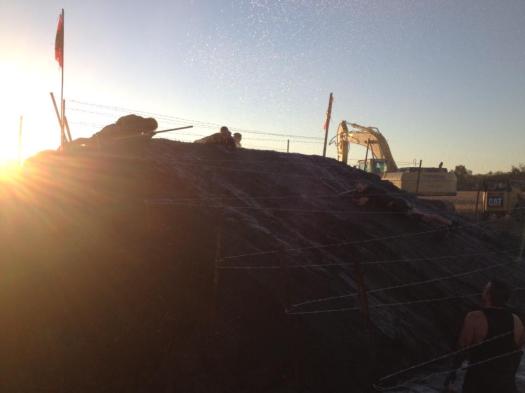
 Less than 500 yards in and we are sent through trenches of cold water, instantly locking up my calves and making it hard to do anything past a walk. From there it was the familiar Spartan obstacles, 6-7 walls, trails that were technical but not anywhere near the soul-crushing hills I had come to expect. We hit the Atlas Lift, and the course volunteer’s eyebrows raised a bit when he saw me cranking out full clapping burpees. I’ve gotten sloppy on my burpees with a few recent races, and am really trying to break the habit.
 Most races have the standard tire flip. This one upped the ante by giving us a 4′ section of log to flip end-over end. Note to self: put more deadlifts in your workouts. No burpees but still tough.
  Next was the tire drag, which I knocked out solidly enough to again get cheers from bystanders. New and rather odd, but I think I like it.
 The terrain from that point got noticeably tougher, which was good as a few of us were starting to refer to the course as “the Bitch Beast.” I elected to do burpees rather than wait for the line at the rope traverse, then moved on to the sandbag carry.I was a little shocked to actually see sandbags abandoned along the course, where people had gotten a certain distance and then given up. Putting the sandbags right after a water obstacle meant that most of the bags were wet and thus heavier than normal, but still got through it and handed the bag off to the next runner.
  I was a little surprised to see the Hobie Hop as an obstacle here, as the stadium Sprint was the only place I had seen this before. I waddled more than I hopped.
 From there it was the standard end-of-race obstacles, the cargo net, dunk pool, and slip wall. For whatever reason, there were a LOT of people suffering from cramping on this race. The man in front of me went into a rather spectacular leg cramp 3 steps up the ladder to the cargo net. I helped him down and then went on my way.


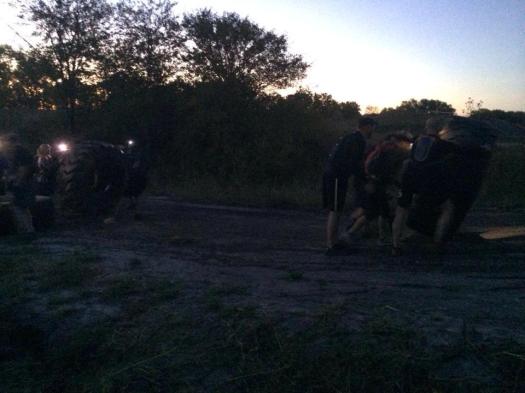
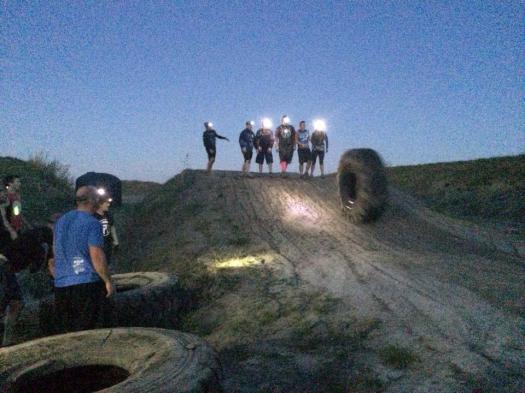
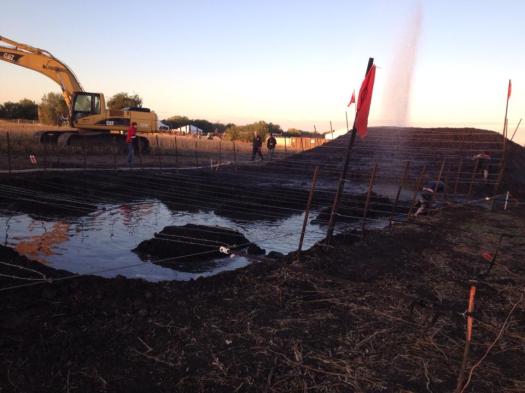
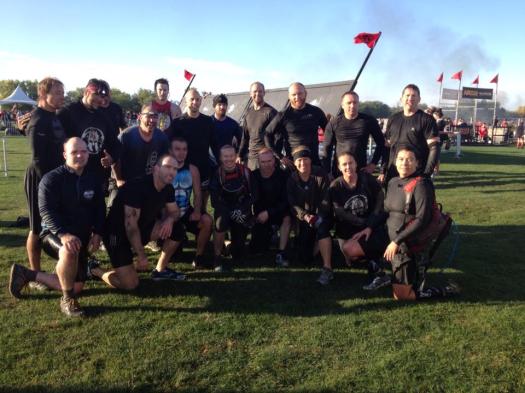
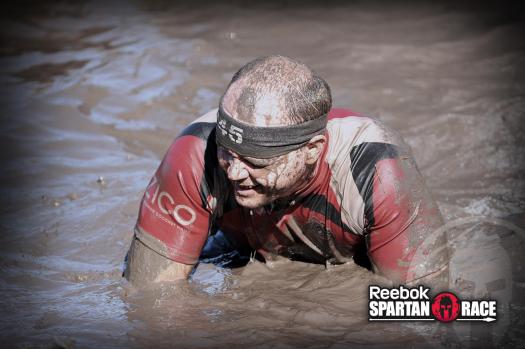
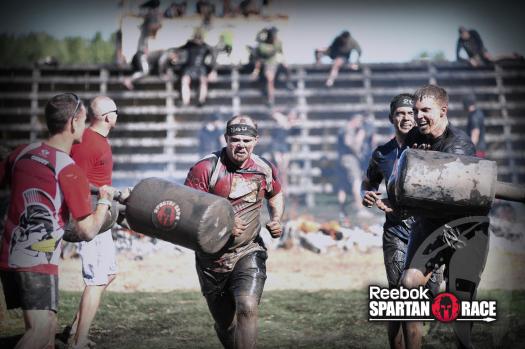

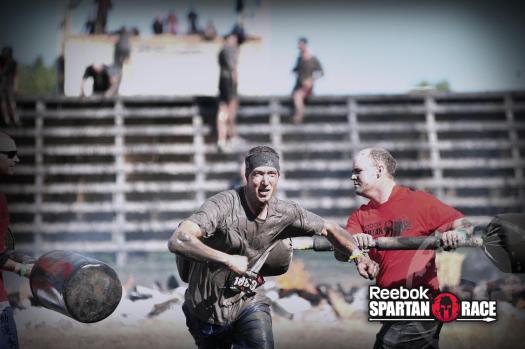
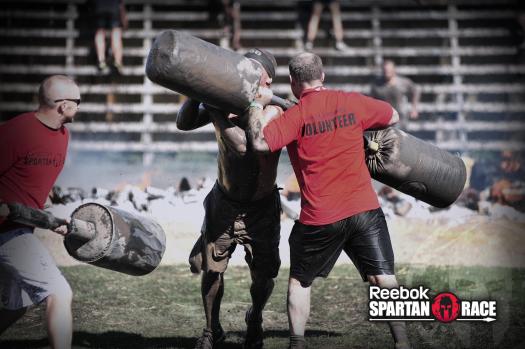 The HH was a great experience, almost a mini GORUCK, I will be doing more of them. The race itself was a good time, as tough as they could make it with the terrain.
 The Monk of the Mud